
TL;DR

Get movie nights delivered free with Prime
- Fast, free delivery on millions of items
- Prime Video, Amazon Music and more included
- Member-only deals all year
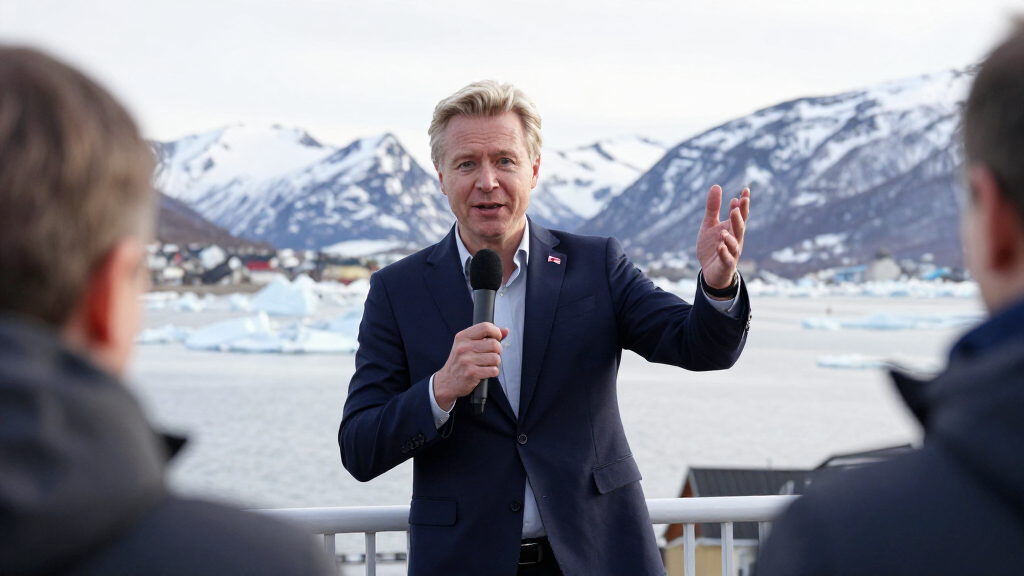
European Commission President Ursula von der Leyen visited Nuuk and publicly reaffirmed Europe’s commitment to maintaining a strong presence and engagement in the Arctic and Greenland. The visit underscores Europe’s strategic interest in the region amid increasing geopolitical and environmental importance.
European Commission President Ursula von der Leyen visited Nuuk, Greenland, and publicly reaffirmed Europe’s commitment to maintaining a strong presence and engagement in the Arctic region. The visit highlights Europe’s strategic interest in the Arctic amid rising geopolitical competition and environmental concerns, making this a notable development in regional diplomacy.
During her visit to Nuuk, President von der Leyen emphasized Europe’s ongoing interest in the Arctic and Greenland, stating that the region is vital for climate change, security, and economic reasons. She affirmed that the European Union intends to deepen its cooperation with Arctic nations and Greenland, which is increasingly viewed as a key strategic area due to its natural resources and geopolitical significance.
The EU’s commitment was expressed through a formal statement made during her visit, where she underscored the importance of sustainable development, environmental protection, and security cooperation. The visit also included discussions with Greenlandic officials about future collaboration, though specific agreements have not been publicly announced.
This reaffirmation comes amid rising international attention on the Arctic, driven by melting ice, new shipping routes, and competition among global powers, including the US, Russia, and China. The EU’s renewed focus indicates an effort to position itself as a responsible stakeholder in the region’s future.
Implications of Europe’s Arctic Engagement
This visit signals a strategic shift in Europe’s regional policy, emphasizing the importance of the Arctic and Greenland in climate, security, and economic contexts. It reflects a broader effort by the EU to assert influence in areas traditionally dominated by other global powers, such as Russia and the United States.
For Greenland, Europe’s reaffirmed engagement could translate into increased cooperation on environmental issues and sustainable development, potentially impacting local economies and geopolitical alignments. The move also signals to other nations that Europe intends to be a key player in Arctic affairs, which could influence future negotiations and regional security dynamics.
Overall, the reaffirmation underscores the region’s rising importance on the global stage, especially as climate change accelerates changes in Arctic accessibility and resource potential. It also raises questions about how Europe’s interests will be balanced with those of other powers active in the region.
arctic expedition thermal clothing
As an affiliate, we earn on qualifying purchases.
As an affiliate, we earn on qualifying purchases.
Europe’s Growing Focus on Arctic and Greenland
Interest in the Arctic and Greenland has surged in recent years due to climate change, which is melting ice and opening new shipping routes and resource extraction opportunities. Greenland, an autonomous Danish territory, has become a focal point for geopolitical competition, with Russia, China, and the US all increasing their presence.
The European Union has historically maintained limited engagement in the Arctic, but recent policy shifts have aimed to establish a more proactive stance. The EU’s Arctic policy emphasizes environmental protection, sustainable development, and security cooperation. The visit by President von der Leyen marks a significant step in elevating Europe’s profile in the region.
While specific initiatives or agreements from this visit are not yet detailed, the move aligns with broader European strategies to diversify partnerships and assert influence amid rising global interest.
As an affiliate, we earn on qualifying purchases.
Unclear Details of Future EU Actions in the Arctic
It is not yet clear what specific policies, initiatives, or agreements will follow from President von der Leyen’s reaffirmation. The extent of EU involvement, funding, or operational presence in Greenland and the Arctic remains to be detailed. Additionally, the precise impact on regional security and resource development strategies is still uncertain.
sustainable outdoor gear for cold climates
As an affiliate, we earn on qualifying purchases.
As an affiliate, we earn on qualifying purchases.
Next Steps in EU’s Arctic Strategy Development
European officials are expected to outline specific plans or frameworks in upcoming policy documents or bilateral agreements with Arctic nations and Greenland. Monitoring statements from the EU and Greenlandic authorities over the coming months will clarify the scope of Europe’s regional engagement. Additionally, other international actors are likely to respond to this renewed focus, shaping the evolving geopolitical landscape in the Arctic.
As an affiliate, we earn on qualifying purchases.
Key Questions
Why is Europe interested in the Arctic and Greenland now?
Europe’s interest is driven by climate change, new shipping routes, resource potential, and regional security considerations. The Arctic is becoming more accessible and strategically significant, prompting Europe to deepen its engagement.
What specific actions has the EU announced during this visit?
As of now, the EU has reaffirmed its commitment but has not announced specific policies or agreements. Future steps are expected to be detailed in upcoming policy documents.
How does Greenland view Europe’s renewed interest?
Greenland officials have expressed a welcoming stance, indicating openness to increased cooperation on environmental and economic issues, though detailed arrangements are still forthcoming.
Could this affect regional security dynamics?
Yes, increased European engagement could influence regional security, especially as other powers expand their presence in the Arctic. The long-term impact remains to be seen.
What are the environmental implications of this renewed focus?
Europe’s emphasis on sustainable development and environmental protection aims to mitigate ecological risks associated with increased activity in the Arctic, though the actual impact depends on future policies and implementation.
Source: primary
Fall Picks
fall essentials
As an affiliate, we earn on qualifying purchases.