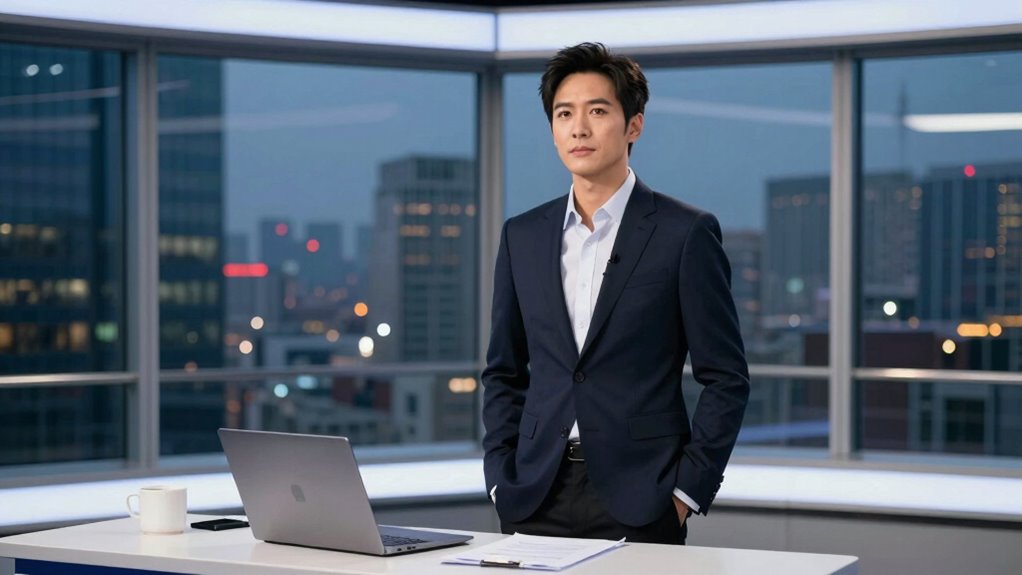

To prepare for tough interview questions, you focus on media training to sharpen your communication skills and stay composed under pressure. You develop clear core messages and practice steering conversations back to them. You also work on non-verbal skills like body language and tone to project confidence. Handling negative questions and misinformation is key, so you craft thoughtful responses in advance. By investing in these strategies, you can navigate interviews with poise and protect your reputation—stay with us to learn more.

Get movie nights delivered free with Prime
- Fast, free delivery on millions of items
- Prime Video, Amazon Music and more included
- Member-only deals all year
Key Takeaways
- Develop core messages and rehearse responses to stay focused and consistent during challenging questions.
- Engage in media training to enhance communication skills and manage body language effectively.
- Practice crisis simulations to prepare for sensitive topics and unexpected queries.
- Craft strategic responses and clarifications to handle misinformation and negative questions.
- Stay updated on digital trends to adapt messaging and maintain authenticity across platforms.
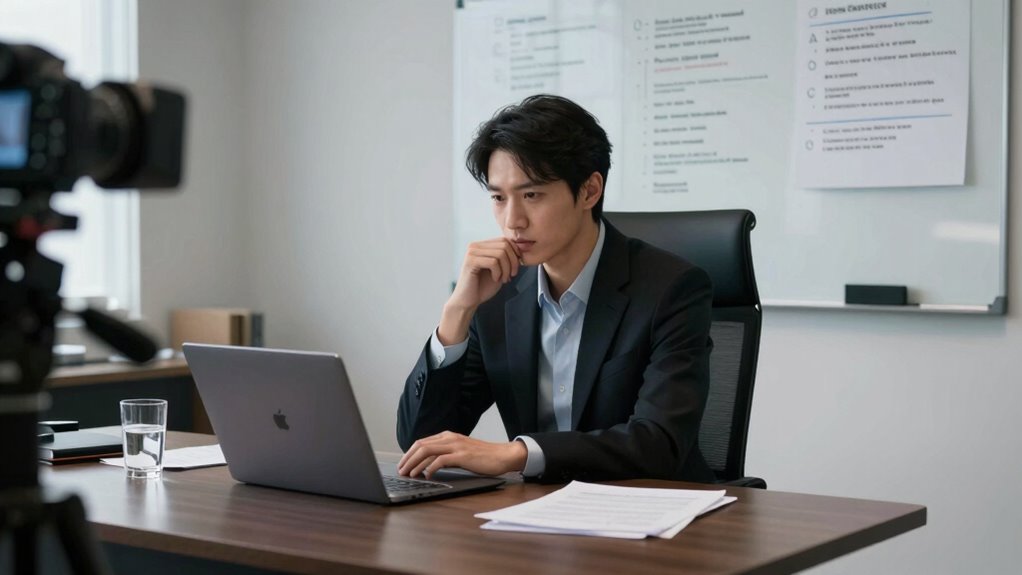
Have you ever wondered how to stand out in a challenging interview? For public figures, it’s not just about answering questions; it’s about managing perceptions under pressure. Preparing for tough interview questions involves more than rehearsing talking points. It requires strategic media training that sharpens your communication skills and equips you to handle difficult topics confidently. Media training teaches you to stay composed, deliver clear messages, and control the narrative, especially when questions become probing or uncomfortable. This preparation helps you anticipate potential pitfalls and develop responses that protect your reputation while staying authentic.
Strategic media training builds confidence, sharpens messaging, and helps public figures manage perceptions under pressure.
Crisis management is an essential part of this preparation. When faced with sensitive issues or controversial topics, your ability to respond swiftly and thoughtfully can prevent a minor slip-up from turning into a full-blown crisis. Public figures often work with communication experts to craft key messages that align with their values and goals, ensuring consistency across interviews. Practicing these responses under simulated interview conditions helps you get comfortable with high-pressure scenarios, making it easier to stay calm and collected when real questions come your way. Additionally, understanding emerging digital trends can help you adapt your messaging for a digital audience, which is increasingly crucial in today’s media landscape. Recognizing the importance of media literacy can also help you better evaluate the credibility and impact of online platforms.
Furthermore, developing skills in crisis communication can prepare you to respond effectively to unexpected questions or misinformation, safeguarding your reputation. During media training, you learn to identify your core messages—those key points you want to communicate regardless of the questions asked. This focus enables you to steer conversations back to what matters most, even when caught off guard. It’s also about managing body language, tone, and facial expressions, all of which influence how your words are perceived. When you’re prepared, you can avoid being caught off guard or giving vague answers that could be misinterpreted. Instead, you project confidence and control, which reassures your audience and journalists alike.
Additionally, media training often emphasizes crisis management techniques. You learn to recognize potential crises early, craft appropriate responses, and, if necessary, deliver apologies or clarifications without escalating the situation. This proactive approach allows you to handle negative questions or accusations calmly and professionally. The goal isn’t just to dodge uncomfortable questions but to address them strategically, turning challenging moments into opportunities to reinforce your message.
Ultimately, preparation is about building resilience. When you invest in media training and crisis management skills, you’re better equipped to handle tough interviews with poise and clarity. Understanding emerging trends in digital publishing can also help you stay ahead of the curve and adapt your messaging for a digital audience. The more you practice, the more natural it becomes to stay focused, communicate effectively, and protect your reputation under pressure. This well-rounded approach ensures that, no matter how difficult the questions, you can navigate the interview confidently and emerge with your integrity intact.
Popular right now

Bose QuietComfort Wireless Noise-Cancelling Over-Ear Headphones, Black

Bose QuietComfort True Wireless Earbuds with Active Noise Cancellation, Black

Breville Bambino Espresso Machine, Brushed Stainless Steel
As an affiliate, we earn on qualifying purchases.
Frequently Asked Questions
How Do Public Figures Handle Unexpected Interview Questions?
When faced with unexpected interview questions, you stay calm and apply celebrity etiquette by maintaining composure and politeness. You think quickly, drawing on your knowledge and experience, and use crisis management skills to pivot smoothly or deflect if needed. Staying honest but strategic helps protect your image, showing you’re confident and in control, even in unpredictable situations. This approach fosters trust and demonstrates professionalism under pressure.
What Strategies Do They Use to Stay Calm Under Pressure?
To stay calm under pressure, you focus on mental resilience and confidence boosting techniques. Take deep breaths to steady your nerves, reminding yourself of your preparedness. Visualize success and maintain positive self-talk to boost confidence. Break down tough questions into manageable parts, and stay present in the moment. By practicing these strategies, you reinforce your mental resilience, helping you remain composed and confident, even when faced with difficult interview questions.
How Do They Decide What to Disclose and What to Withhold?
You decide what to disclose and what to withhold by carefully considering your disclosure boundaries and privacy considerations. You evaluate each question’s relevance and potential impact, choosing to share information that aligns with your brand or message. You also set limits on sensitive topics to protect your personal life. By balancing transparency with discretion, you maintain control over your narrative while respecting your privacy boundaries.
How Do They Maintain Authenticity During Tough Interviews?
You might think maintaining authenticity in tough interviews is impossible, but it’s actually about staying true to your personal branding while managing crises. You avoid scripted lines, speak honestly, and acknowledge difficult topics with sincerity. Ironically, embracing vulnerability can strengthen your image, showing you’re genuine. By balancing transparency with strategic crisis management, you build trust and credibility, proving that authenticity isn’t just a buzzword—it’s a powerful tool in tough conversations.
What Role Does Media Training Play in Their Preparation?
Media training helps public figures master crisis communication and message framing, which are vital during tough interviews. You learn to stay composed, craft clear messages, and respond strategically. This preparation enables you to handle difficult questions confidently, maintaining your authenticity. By practicing these skills, you’re better equipped to navigate sensitive topics, control the narrative, and protect your reputation, even under intense scrutiny.
Conclusion
Now that you know the secrets to handling tough questions, imagine the moment you’re face-to-face with that challenging interviewer. Will your prepared responses hold up? Will you stay calm under pressure? The key is practice, but the real test is in the moment. Stay confident, stay composed—because the next question could change everything. Are you ready to turn that pressure into your greatest opportunity? The spotlight’s on you—are you prepared to shine?