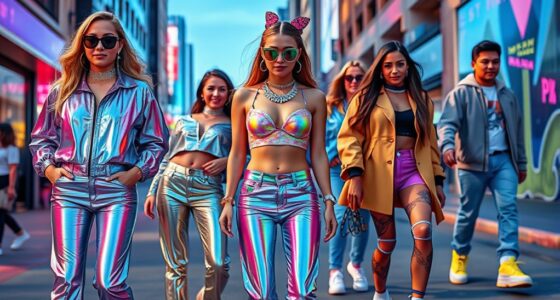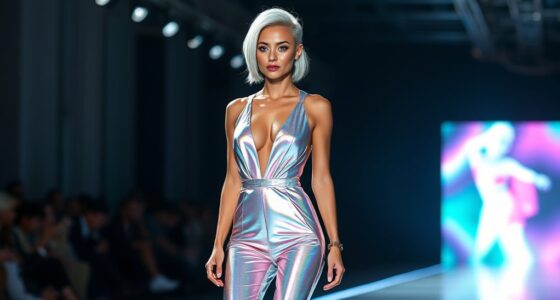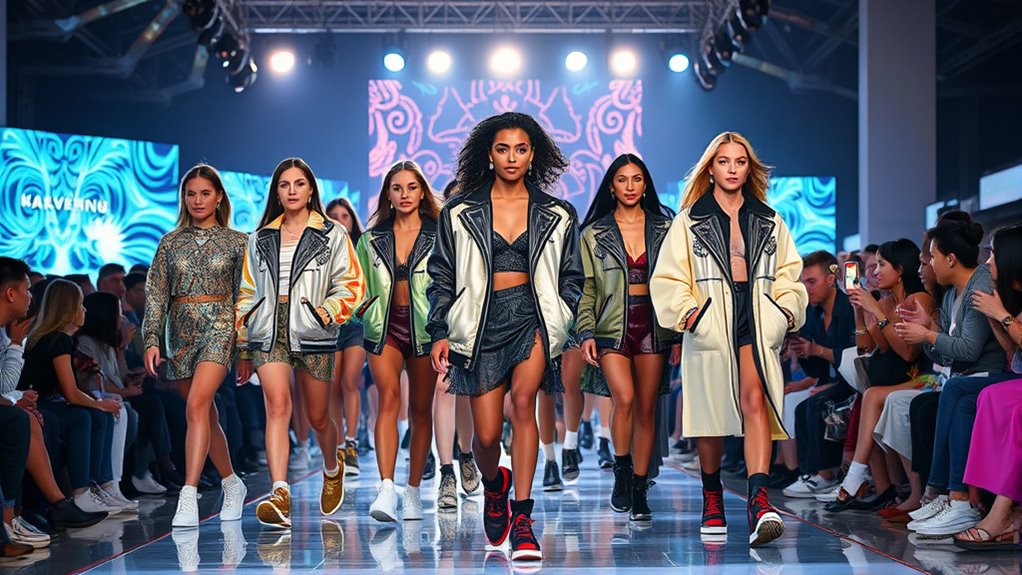

In 2025, the biggest celebrity fashion collaborations include Louis Vuitton’s Fall/Winter collection by Pharrell Williams and Nigo, blending cultural influences with sustainability. Dior’s Capture campaign features Venus Williams promoting eco-friendly beauty, while Olivia Rodrigo partners with Lancôme to celebrate empowerment and individuality. Post Malone teams with OREO for playful, sustainable accessories. Plus, SKIMS and Rosé reveal a romantic Valentine’s collection. If you keep exploring, you’ll discover how these collaborations are reshaping fashion’s future.
Key Takeaways
- Louis Vuitton’s Fall/Winter 2025 collection by Pharrell Williams and Nigo is the year’s most prominent celebrity designer collaboration.
- Olivia Rodrigo partners with Lancôme, blending celebrity influence with luxury beauty, emphasizing empowerment and authenticity.
- SKIMS collaborates with Rosé on a romantic Valentine’s Day collection, highlighting soft fabrics and eco-friendly materials.
- Dior Beauty features Venus Williams in its sustainable Capture campaign, showcasing athleticism and diverse empowerment.
- Cross-category collaborations like Miu Miu with New Balance and Louis Vuitton with Takashi Murakami expand brand reach and cultural relevance.
Pharrell Williams and Nigo’s Louis Vuitton Fall/Winter 2025 Collection
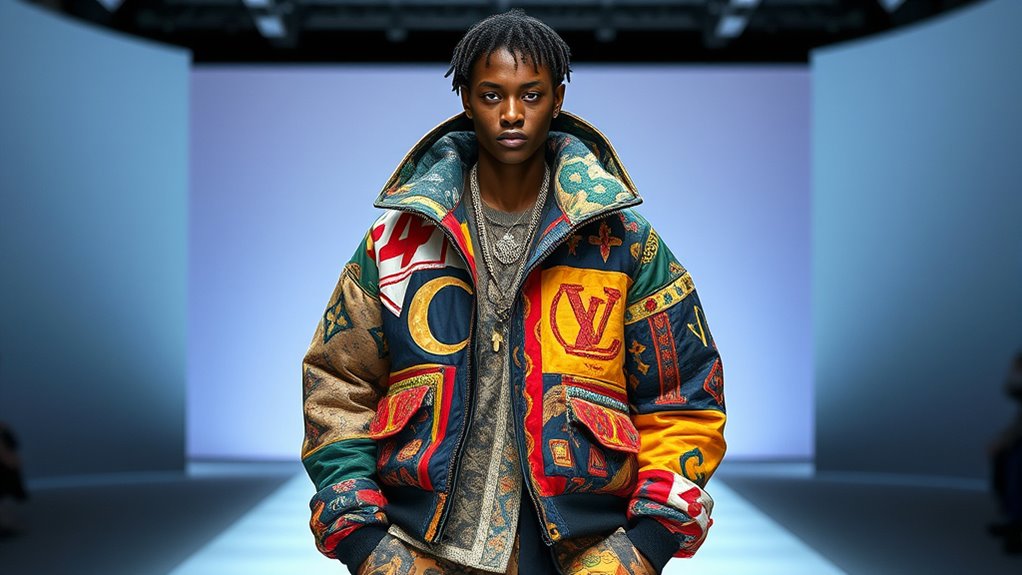
Pharrell Williams and Nigo’s collaboration for Louis Vuitton’s Fall/Winter 2025 menswear collection marked a major highlight at Paris Fashion Week, earning widespread attention as “the biggest collab of the event.” You can see how they blend their unique design philosophies—Pharrell’s Americana influences with Nigo’s Japanese streetwear heritage—to craft a collection that’s both innovative and culturally rich. They prioritized sustainable initiatives by incorporating eco-friendly materials and responsible production methods, setting a new standard in luxury fashion. Additionally, the collection emphasizes sustainable fashion practices, reflecting their commitment to environmentally conscious design. The collection also embraces digital fashion trends, with virtual styling options and digital storytelling enhancing consumer engagement. This partnership exemplifies how high fashion can be cutting-edge and environmentally conscious, appealing to a global audience enthusiastic for innovation and sustainability.
Dior Beauty’s Capture Line Campaign Featuring Venus Williams

Following the buzz around high-profile fashion collaborations like Louis Vuitton’s Fall/Winter 2025 collection, luxury brands continue to expand their influence into the beauty sector. Dior Beauty’s Capture Line campaign featuring Venus Williams exemplifies this shift, emphasizing sustainable innovation and cultural symbolism. Williams, known for her athleticism and advocacy, brings authenticity to the campaign, highlighting eco-friendly ingredients and packaging that align with consumer values. Her presence underscores the importance of diversity and empowerment, resonating with a global audience seeking meaningful representation. Dior’s strategic use of Williams’s influence elevates the Capture Line’s message of timeless beauty and resilience, blending sustainability with cultural significance. This campaign not only enhances brand credibility but also sets a new standard for integrating social consciousness into luxury beauty marketing. Additionally, the campaign’s focus on sustainable ingredients reflects a growing consumer demand for environmentally responsible products in the beauty industry.
Olivia Rodrigo’s Lancôme Collaboration: A 2025 Highlight

Olivia Rodrigo’s collaboration with Lancôme in 2025 stands out as one of the year’s most talked-about beauty partnerships, blending her youthful appeal with the brand’s luxurious image. You’re likely aware of how celebrity endorsements can elevate a brand’s visibility, and Olivia’s influence amplifies Lancôme’s message of empowerment and self-expression. Her authentic brand storytelling connects with younger audiences, making the campaign feel genuine rather than purely commercial. The partnership highlights her personal style, weaving her narrative into Lancôme’s premium identity. This strategic move leverages her popularity to shift beauty conversations toward inclusivity and individuality. Additionally, understanding the 16PF traits of Olivia’s personality, such as openness and extraversion, helps explain her successful engagement with fans. As a result, the collaboration resonates deeply with fans, setting a new standard for how celebrity-driven brand storytelling can redefine beauty marketing in 2025.
Post Malone and OREO’s Unexpected 2025 Partnership
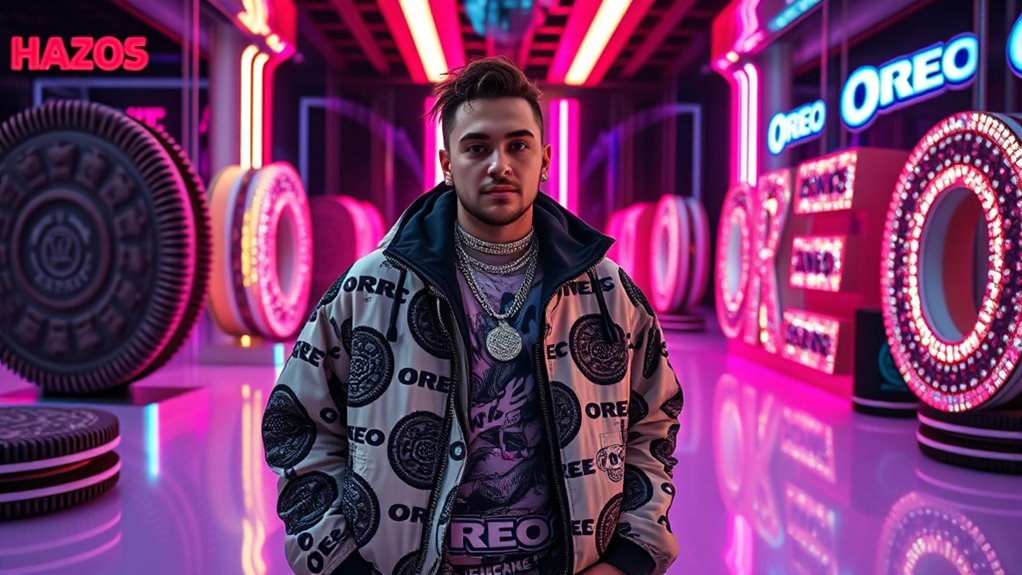
Post Malone’s surprise partnership with OREO in 2025 showcases how brands are blending unexpected elements to capture consumer attention. This collaboration highlights jewelry trends by incorporating playful, snack-inspired accessories, giving a fresh twist to everyday fashion. Beyond the fun, OREO emphasizes sustainability initiatives, introducing eco-friendly packaging and ingredients to appeal to environmentally conscious fans. Malone’s influence helps bridge casual streetwear with sustainable values, making the partnership more meaningful. As a result, you see how a simple snack brand can evolve into a lifestyle statement, merging pop culture with responsible practices. This unexpected move pushes the boundaries of traditional branding, proving that even the most unlikely partnerships can resonate when creativity meets sustainability. Incorporating mindful decluttering strategies can help consumers better appreciate and manage their personal collections, aligning with sustainable and responsible consumption. It’s a prime example of innovative marketing in 2025’s celebrity collaborations.
SKIMS and Rosé’s Romantic Valentine’s Day Collection
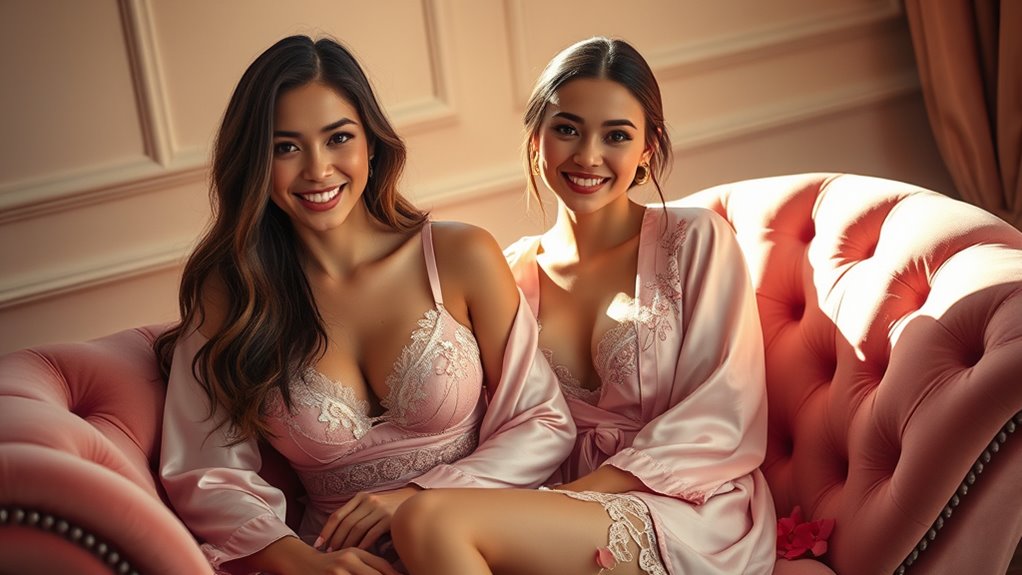
You’re drawn to how SKIMS and Rosé crafted a collection filled with romantic design elements that capture Valentine’s Day magic. Rosé’s influence brings a fresh, stylish edge that resonates with fans of both music and fashion. This partnership masterfully uses Valentine’s Day marketing to create an intimate, alluring vibe that appeals to a wide audience. Additionally, the collaboration thoughtfully incorporates trendsetting styles, ensuring the collection remains both current and desirable.
Romantic Design Elements
The Romantic Valentine’s Day Collection by SKIMS and Rosé embodies soft, intimate design elements that evoke feelings of love and tenderness. Vintage motifs play a key role, with delicate lace trims and retro-inspired patterns that add nostalgic charm. Floral embroidery enhances the collection’s romantic appeal, with intricate blooms adorning lingerie, sleepwear, and loungewear pieces. These embroidered florals create a sense of femininity and warmth, emphasizing softness and vulnerability. The fabrics are plush and silky, further amplifying the collection’s cozy, intimate vibe. Every detail, from scalloped edges to subtle ruffles, is crafted to evoke affection and tenderness. Incorporating cozy textiles and natural materials amplifies the sense of warmth and comfort, making each piece feel like a gentle hug. The combination of vintage motifs and floral embroidery makes this collection not just stylish but emotionally resonant, capturing the essence of romantic sentimentality perfectly.
Rosé’s Fashion Influence
Rosé’s influence particularly elevates the romantic appeal of SKIMS’ Valentine’s Day Collection by blending her musical star power with her fashion sensibility. Her cultural influences inspire designs that feel both fresh and meaningful, resonating with a diverse audience. By emphasizing fashion sustainability, the collection showcases eco-conscious materials and ethical manufacturing practices, aligning with her values and appealing to environmentally aware consumers. Rosé’s romantic aesthetic emphasizes softness and intimacy, making the collection more relatable and emotionally engaging. Her international appeal helps drive the collection’s global reach, reinforcing SKIMS’ position as a brand that merges cultural relevance with responsible fashion. Incorporating sustainable fashion practices demonstrates the brand’s commitment to environmental responsibility, further resonating with conscious consumers. Ultimately, her presence amplifies the collection’s allure, making it a standout example of how celebrity influence can shape modern, sustainable fashion narratives.
Valentine’s Day Marketing
How does SKIMS leverage Rosé’s romantic image to create a compelling Valentine’s Day campaign? They focus on her youthful charm and musical influence to attract a broad audience, emphasizing intimacy and self-love. The collection’s romantic design aesthetic highlights soft fabrics, delicate lace, and cozy loungewear, appealing to consumers seeking comfort and style. By incorporating celebrity endorsements, SKIMS boosts authenticity and visibility, making the campaign more relatable. They also promote fashion sustainability by emphasizing eco-friendly materials in their intimates and sleepwear. Rosé’s star power helps create a sense of urgency and desirability, encouraging fans to indulge in romantic self-care. This strategic blend of celebrity influence and sustainable fashion appeals to modern consumers who value both style and responsibility. Additionally, the campaign’s emphasis on fashion sustainability aligns with the increasing consumer demand for environmentally conscious choices.
Summer 2025 Cross-Category Collaborations: Miu Miu, Louis Vuitton, Nike, and More
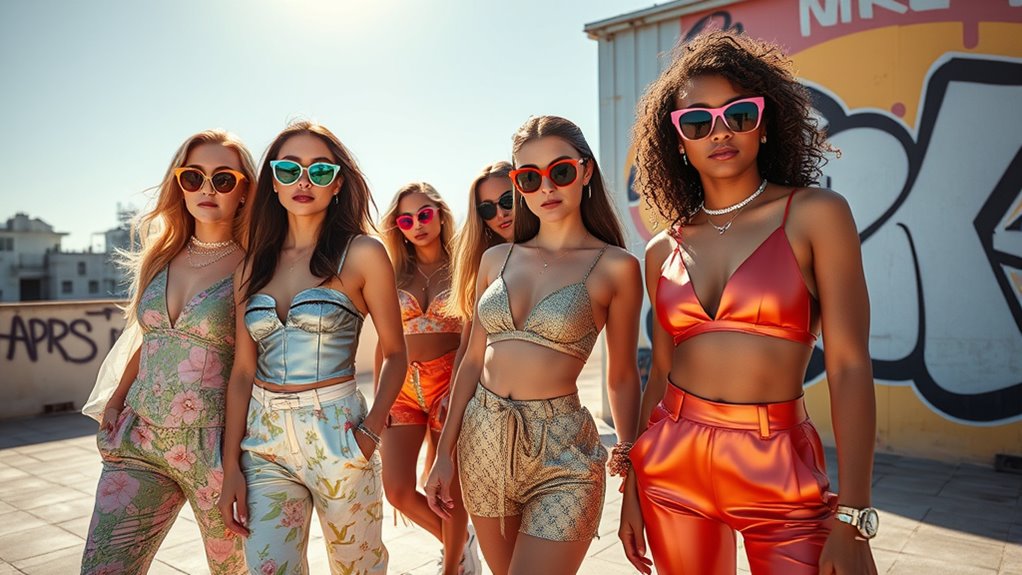
Summer 2025 saw brands expand their reach through cross-category collaborations, blending fashion, streetwear, and lifestyle. Miu Miu teamed up with New Balance, while Louis Vuitton reissued designs with Takashi Murakami, showing how brands are breaking traditional boundaries. These partnerships help brands connect with new audiences and strengthen their presence across diverse market segments. Additionally, such collaborations often incorporate innovative mind-body connection techniques, reflecting a holistic approach to branding and consumer engagement.
Diverse Brand Collaborations
Diverse brand collaborations in summer 2025 showcase a shift toward blending multiple categories and expanding accessibility across the fashion and lifestyle industries. You see this in how brands prioritize sustainable materials and ethical production, making eco-conscious choices more mainstream. Miu Miu’s partnership with New Balance combines luxury streetwear with eco-friendly fabrics, appealing to conscious consumers. Louis Vuitton’s collaboration with Takashi Murakami reimagines art-driven designs using sustainable practices, emphasizing transparency. Nike’s cross-category efforts with SKIMS focus on innovative, eco-friendly materials that balance performance and comfort. These collaborations don’t just push style—they promote responsible practices, making sustainability a core value in diverse product lines. This approach transforms the industry, encouraging more brands to adopt ethical production without sacrificing creativity or accessibility.
Expanding Market Reach
The industry’s focus on cross-category collaborations in summer 2025 highlights a strategic push to broaden market reach and attract diverse consumer segments. Brands like Miu Miu, Louis Vuitton, and Nike leverage cultural influences to resonate globally, appealing to varied backgrounds and tastes. These collaborations often incorporate sustainable materials, meeting the rising demand for environmentally conscious fashion choices. By blending different categories—such as luxury, streetwear, and athletic wear—brands create accessible options that appeal to both mainstream and niche audiences. This approach not only expands consumer bases but also showcases cultural stories and sustainability efforts, making products more meaningful and inclusive. Additionally, understanding market research strategies helps brands identify emerging trends and consumer preferences, ensuring their collaborations stay relevant and impactful. As a result, you’ll see brands successfully tap into new markets, fostering loyalty and driving growth through innovative, culturally rich, and eco-friendly collections.
Lessons From Past Failures: What Went Wrong in Celebrity Fashion Collabs

Many celebrity fashion collaborations fail because brands and artists don’t align their identities or expectations from the start. This misalignment often causes issues with celebrity endorsements, making the partnership feel inauthentic. When a celebrity’s persona doesn’t match the brand’s core values, the collection can seem forced or superficial, hurting brand authenticity. For example, if an artist known for edgy streetwear partners with a luxury brand without shared vision, the result may fall flat. Poor execution and overhyped campaigns without substance also contribute to failure. Without genuine alignment, the collaboration risks seeming like a marketing stunt rather than a meaningful creative effort. Learning from these pitfalls, successful collaborations prioritize clear communication, shared values, and authenticity to resonate with audiences.
Frequently Asked Questions
Which Celebrity Collaborations in 2025 Generated the Most Industry Buzz?
In 2025, the Pharrell Williams and Nigo Louis Vuitton collab generated the most industry buzz, thanks to their powerful celebrity endorsement and compelling brand storytelling. You see, their blend of Americana and Japanese streetwear created excitement among insiders and fans alike. This collaboration’s innovative approach and high-profile debut at Paris Fashion Week made it a standout, proving how celebrity influence and storytelling can elevate a brand’s status and captivate audiences.
How Do Brands Ensure Authentic Alignment With Celebrity Partners?
To guarantee authentic brand authenticity and strong celebrity alignment, you should choose partners whose values, style, and audience naturally resonate with your brand. Engage in honest storytelling, involve celebrities in the creative process, and maintain transparency about your goals. This way, you create collaborations that feel genuine, fostering trust among consumers and boosting the overall success of your brand’s partnership.
What Are Common Pitfalls to Avoid in Celebrity Fashion Collaborations?
You might think coincidence means luck, but in collaborations, it’s about avoiding pitfalls that threaten brand authenticity. To succeed, guarantee contract clarity so expectations align, preventing missteps. Overhyped hype without substance damages credibility, and misaligned celebrity choices can backfire. Stay true to your brand’s voice, communicate openly, and build partnerships based on genuine shared values. This way, your collab stays authentic, impactful, and avoids the common pitfalls of misfit messaging and vague agreements.
How Do Cross-Category Partnerships Expand Market Accessibility?
Cross-category partnerships expand market accessibility by blending brand integration and appealing to diverse consumer engagement. When you combine fashion with beauty, streetwear with casualwear, or luxury with everyday essentials, you break down traditional barriers. This approach attracts new audiences, boosts visibility, and creates more opportunities for consumers to connect with your brand in different contexts. Ultimately, it broadens your reach and deepens consumer loyalty across multiple market segments.
Which Collaboration Lessons From Past Failures Influence Current Strategies?
You learn that avoiding branding pitfalls and maintaining consumer trust are key to successful collaborations. Past failures show that overhyped campaigns or misaligned brand personas damage credibility and sales. To succeed, you focus on authentic partnerships that resonate with your audience. Clear messaging, consistent branding, and genuine influencer alignments help prevent pitfalls, ensuring your collaboration builds trust and delivers real value, rather than just fleeting buzz.
Conclusion
As you navigate the world of celebrity collaborations, remember each partnership is a thread in the fabric of fashion’s evolving tapestry. Some weave vibrant stories, while others unravel under pressure. Like a delicate stitch, success depends on harmony and vision. Keep an eye on these moments—they symbolize more than trends; they reflect culture’s ever-changing heartbeat. Embrace the symbolism, and you’ll see how each collaboration shapes the future’s intricate design.