
TL;DR
Play games included with Prime
Start a Prime free trial and play with Amazon Luna on your devices.
Start playingAs an affiliate, we earn on qualifying purchases.
Russia’s veterinary watchdog confirmed the presence of live pseudorabies virus in a batch of dog vaccine linked to multiple animal deaths. The discovery raises safety concerns about vaccine contamination, but details about the scope and impact are still emerging.
Russia’s veterinary watchdog has confirmed the presence of live pseudorabies virus in a batch of dog vaccine linked to widespread animal deaths. The discovery raises immediate safety concerns and prompts regulatory scrutiny, although the full scope of the contamination remains unclear.
The Russian Federal Veterinary and Phytosanitary Surveillance Service (Rosselkhoznadzor) announced that laboratory tests identified live pseudorabies virus in a specific batch of canine vaccine. This batch was used in multiple regions, and reports indicate a surge in mass animal deaths following vaccination campaigns. The agency has not yet specified the number of affected animals or the total quantity of contaminated vaccine distributed.
According to official statements, the virus was detected during routine quality control checks after reports of adverse reactions and unexplained deaths surfaced among vaccinated dogs. The presence of live virus in a vaccine product is considered a serious breach of safety protocols, as vaccines are expected to contain inactivated or attenuated strains, not live pathogenic viruses.
The manufacturer of the vaccine has been notified, and a recall of the affected batch is underway. Authorities have also begun tracing the distribution network to assess the extent of exposure. No human health impacts have been reported or confirmed at this stage, but investigations are ongoing to evaluate potential risks.
Implications for Vaccine Safety and Animal Health
The detection of live pseudorabies virus in a veterinary vaccine is a serious breach of safety standards. It raises concerns about the manufacturing process, quality control, and regulatory oversight of veterinary vaccines in Russia. The incident could undermine public confidence in animal vaccination programs and prompt stricter regulations globally, especially if similar issues are found elsewhere.
Animal health authorities warn that the presence of live virus could result in severe disease outbreaks among vaccinated animals, complicating disease control efforts. The incident also underscores the importance of rigorous testing and quality assurance in vaccine production, particularly for products used on a large scale.
While no human cases have been reported, the incident may prompt increased scrutiny of veterinary vaccine safety standards and testing protocols worldwide, given the potential for cross-species transmission and broader ecological impacts.
As an affiliate, we earn on qualifying purchases.
Background on Pseudorabies and Vaccine Manufacturing
Pseudorabies, also known as Aujeszky’s disease, is a viral illness primarily affecting pigs but transmissible to other animals, including dogs. Vaccines are a key tool in controlling the disease in livestock, and quality control is critical to ensure safety and efficacy.
Russia has a significant livestock sector and uses vaccines extensively for disease prevention. Historically, vaccine contamination incidents are rare but can have serious consequences. The current event marks a notable breach, as live pathogenic virus was found in a vaccine intended to be inactivated or attenuated.
Prior to this incident, there has been limited public reporting of vaccine safety issues in Russia, but the discovery of live virus in a vaccine batch raises questions about manufacturing oversight and regulatory enforcement.
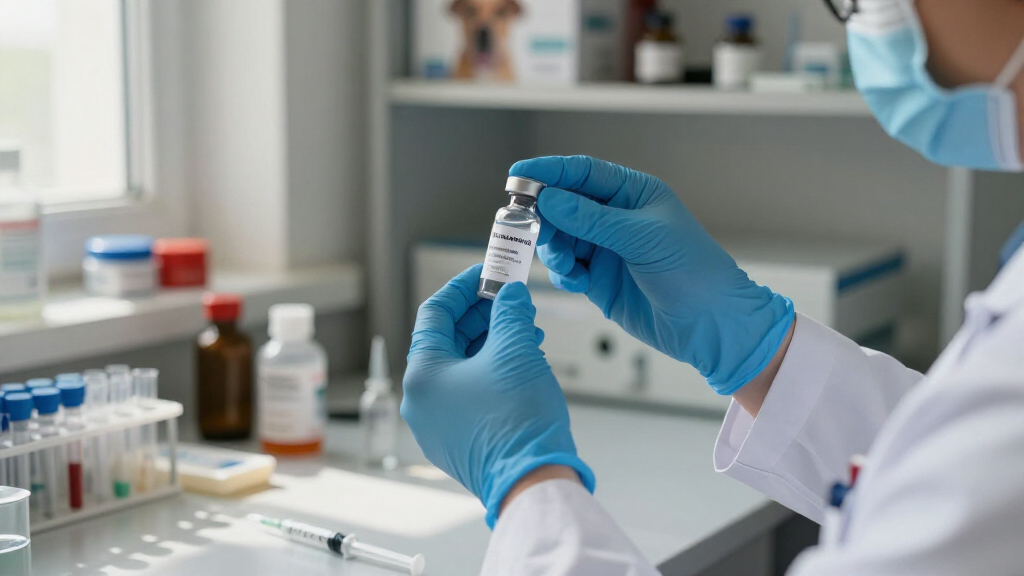
veterinary vaccine contamination test
As an affiliate, we earn on qualifying purchases.
As an affiliate, we earn on qualifying purchases.
Extent of Contamination and Impact Still Unclear
It is not yet clear how widespread the distribution of the contaminated vaccine batch was, or how many animals have been affected. The full extent of the contamination and whether other batches are involved remain under investigation. No human health impacts have been confirmed, but assessments are ongoing.
As an affiliate, we earn on qualifying purchases.
Ongoing Investigations and Regulatory Response
Authorities are expected to expand laboratory testing, trace vaccine distribution channels, and determine the scope of contamination. The manufacturer may face sanctions or recalls depending on findings. Further updates are anticipated as investigations progress and additional affected regions are identified.
As an affiliate, we earn on qualifying purchases.
Key Questions
Could the live virus in the vaccine infect humans?
There are no confirmed cases of human infection related to this incident. The current focus is on animal health, but authorities are monitoring for any potential human health risks.
How common are vaccine contamination incidents like this?
Such incidents are rare due to strict manufacturing and quality control standards. However, lapses can occur, and this case highlights the importance of rigorous testing.
What animals are at risk from this contaminated vaccine?
Dogs vaccinated with the affected batch are most directly at risk, but other animals in contact with vaccinated dogs could potentially be exposed. No cases outside of dogs have been confirmed yet.
Will this affect ongoing vaccination programs?
Authorities are likely to review and possibly suspend certain vaccination campaigns until safety can be assured, pending investigation results.
Source: rss
Fall yard work Picks
leaf blowers
As an affiliate, we earn on qualifying purchases.