
You’ll see that magazines focus on glamorous, curated images, highlighting fashion, lifestyle, and high-profile events to boost celebrity personas. Social media, on the other hand, offers a more authentic side, with celebrities sharing spontaneous, unfiltered moments that foster a sense of closeness with followers. This contrast helps you understand how coverage balances aspirational portrayals with real-life insights. Want to uncover how this evolving dynamic influences public perception? Keep exploring to find out more.
Key Takeaways
- Magazines prioritize curated, glamorous images, while social media features authentic, spontaneous content from celebrities themselves.
- Magazines emphasize high-profile events and polished narratives, whereas social platforms foster personal, behind-the-scenes storytelling.
- Paparazzi photos in magazines generate sensational stories; social media reduces this reliance by enabling direct celebrity sharing.
- Magazines create idealized images, while social media strikes a balance between authenticity and relatability.
- Social platforms facilitate real-time engagement and influence public perception differently than traditional magazine coverage.
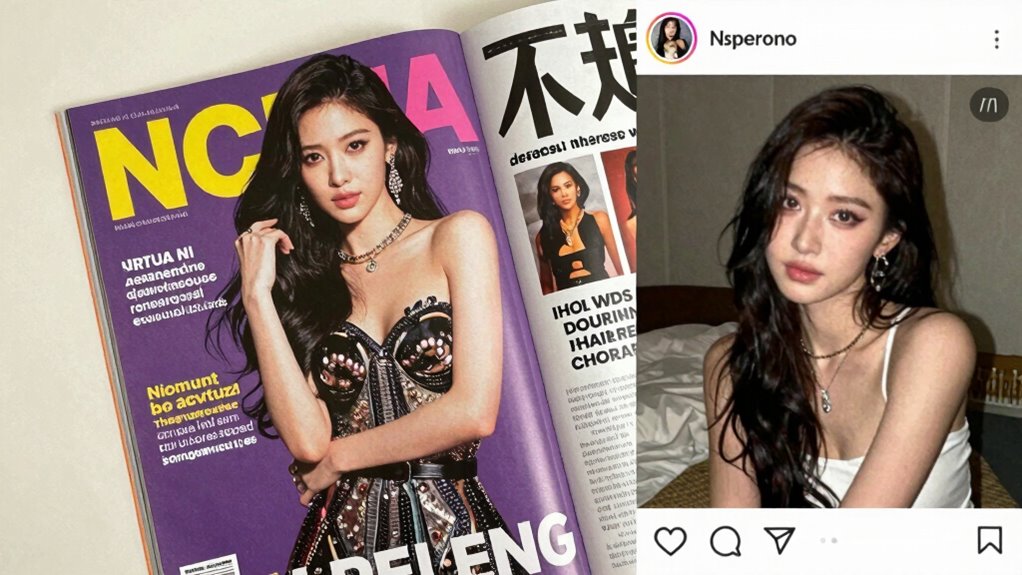
Have you ever wondered how celebrities dominate media coverage across different platforms? It’s a fascinating mix of traditional media, like magazines, and the ever-evolving landscape of social media. Each platform has its own way of shaping and amplifying a celebrity’s image, and understanding these differences can give you a clear picture of how fame operates today. Magazines tend to focus on curated, often glamorous portrayals of celebrities, emphasizing their style, lifestyle, and high-profile events. They’re more controlled environments, where editors select the most flattering photos and craft narratives that reinforce a celebrity’s persona. This creates a polished image that appeals to fans seeking aspirational content. Meanwhile, social media platforms allow celebrities to engage directly with their followers. Here, influencer engagement is key — they post candid moments, share personal stories, and respond to comments, creating a sense of intimacy and authenticity that magazines often lack. This direct connection helps celebrities build a loyal online community, which can translate to increased influence and brand opportunities.
The role of paparazzi culture also plays a significant part in how celebrity coverage differs across these media. In magazines, paparazzi shots are often used to generate buzz or sensational headlines, but they’re usually curated to fit a certain narrative. In contrast, social media reduces reliance on paparazzi; celebrities now share their own photos or videos, sometimes posting unfiltered, spontaneous content that can both humanize and elevate their image. This shift diminishes the power of paparazzi, but it also introduces new pressures to maintain a relatable yet aspirational persona online. It also highlights the importance of media literacy in understanding how celebrity stories are presented and perceived. The contrast between the polished images in magazines and the raw, personal content on social media creates a dynamic tension in celebrity coverage. Fans get a glimpse into both the glamorous and the real sides of their favorite stars, yet each platform still serves a different purpose: magazines reinforce an idealized lifestyle, while social media fosters a sense of connection and authenticity. Additionally, the rise of digital media has further transformed how celebrity stories are created and shared, enabling faster dissemination and more interactive engagement. This evolution is also reflected in how celebrities craft their public image, balancing curated content with authentic moments to stay relevant in a competitive landscape. The media landscape continues to shift, influencing how stories are prioritized and what stories are highlighted. As a result, the way celebrities are perceived by the public continues to evolve, influenced by these distinct modes of media consumption.
As an affiliate, we earn on qualifying purchases.
Frequently Asked Questions
How Do Magazines Choose Which Celebrities to Feature?
Magazines choose which celebrities to feature based on their target audience’s interests, often influenced by celebrity preferences and current trends. Editorial biases also play a role, as editors favor stars that align with their publication’s style and values. You’ll notice that popular, newsworthy, or controversial celebrities get more coverage, while niche or less-known stars might be overlooked. Ultimately, decisions aim to boost sales, readership, and magazine relevance.
What Impact Does Social Media Have on Celebrity News Accuracy?
Social media is like a double-edged sword, quickly spreading news but also amplifying viral misinformation. You might see celebrity stories that seem credible, but the fact-checking challenges are high, leading to inaccuracies. This rapid dissemination can distort facts, making it harder for you to discern truth from falsehood. As a result, social media impacts celebrity news accuracy by increasing the risk of misinformation and reducing the reliability of what you read.
How Do Paparazzi Influence Magazine Celebrity Coverage?
Paparazzi heavily influence magazine celebrity coverage by capturing candid photos that shape stories. Their actions often raise privacy concerns, as they sometimes invade celebrities’ personal space. While paparazzi operate under questionable ethics, magazines rely on these images for sensational content. This dynamic pressures celebrities to address privacy issues publicly, and magazines must balance engaging coverage with ethical considerations, knowing that intrusive paparazzi photos can both boost sales and spark controversy.
Are Celebrity Stories More Positive or Negative on Social Platforms?
Think of social platforms as a rollercoaster—celebrity stories often have a tone shift from positive to negative depending on audience engagement. Generally, you’ll find more negative stories because users tend to react strongly to scandals or conflicts. This dynamic keeps viewers hooked, but it also amplifies criticism. So, your perception of celebrity stories on social media is shaped by this emotional ride, making negativity more prominent and engaging.
How Do Cultural Differences Affect Celebrity Coverage Worldwide?
Cultural perceptions shape how celebrities are covered worldwide, influencing whether stories are positive or negative. You’ll notice media stereotypes vary, with some cultures emphasizing respect and privacy, while others focus on sensationalism. These differences impact the tone and content of coverage, making it more aligned with local values. As a result, global celebrity stories often reflect diverse cultural attitudes, affecting how audiences perceive and engage with celebrity news.
unfiltered celebrity social media camera
As an affiliate, we earn on qualifying purchases.
As an affiliate, we earn on qualifying purchases.
Conclusion
So, next time you flip through a magazine or scroll your social feeds, consider how celebrity coverage shapes your view. Magazines often offer curated, polished stories, while social platforms bring raw, real-time updates. Do you prefer the glossy allure or the authentic snapshot? Both influence your perception, but which one makes you feel more connected? Ultimately, understanding these differences helps you navigate the celebrity world more critically—and maybe even find the stories that truly matter to you.
As an affiliate, we earn on qualifying purchases.
celebrity lifestyle coffee table book
As an affiliate, we earn on qualifying purchases.
As an affiliate, we earn on qualifying purchases.