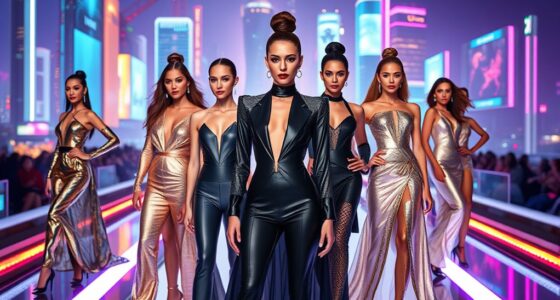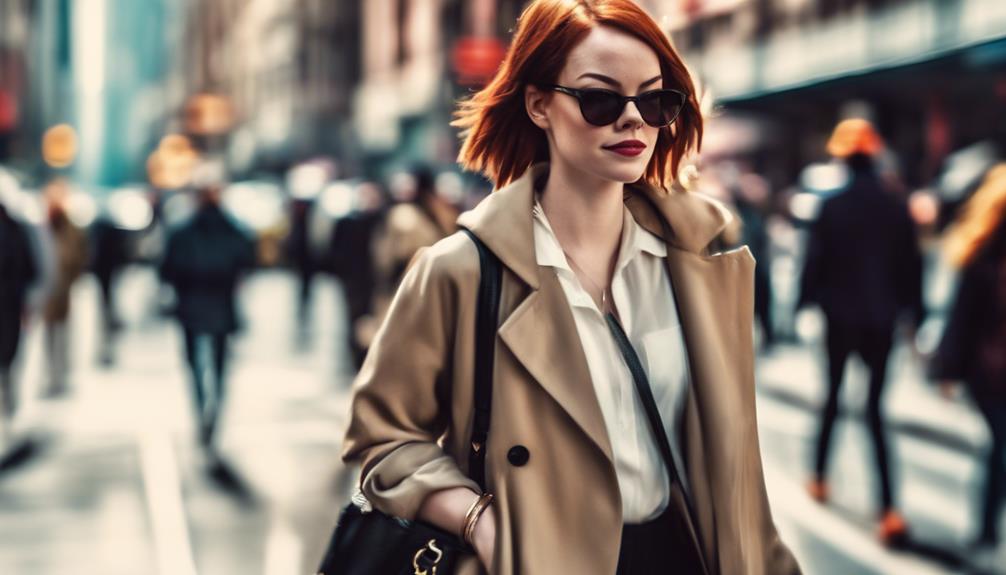
By 2025, you can expect the 2026 fashion forecast to focus on bold, sustainable styles with innovative fabrics. Think oversized, cozy outerwear like teddy coats, and versatile pieces that blend comfort and style. Bright colors such as Celestial Yellow and Retro Blue will dominate, alongside playful prints like polka dots and animal patterns. If you keep exploring, you’ll discover how these trends shape a future of eco-friendly fashion with exciting technical advances.
Key Takeaways
- Expect vibrant, futuristic color palettes like Celestial Yellow, Retro Blue, and Neon Flare driven by climate and tech influences.
- Oversized, plush outerwear such as teddy coats and cropped blazers will dominate for both comfort and style.
- Prints like polka dots, florals, and animal patterns will be layered creatively for expressive, personalized looks.
- Lightweight, versatile fabrics will emphasize sustainability, with increased use of recycled and natural materials.
- Relaxed, fluid silhouettes with high-waisted and cropped cuts will define the Spring-Summer 2026 fashion aesthetic.
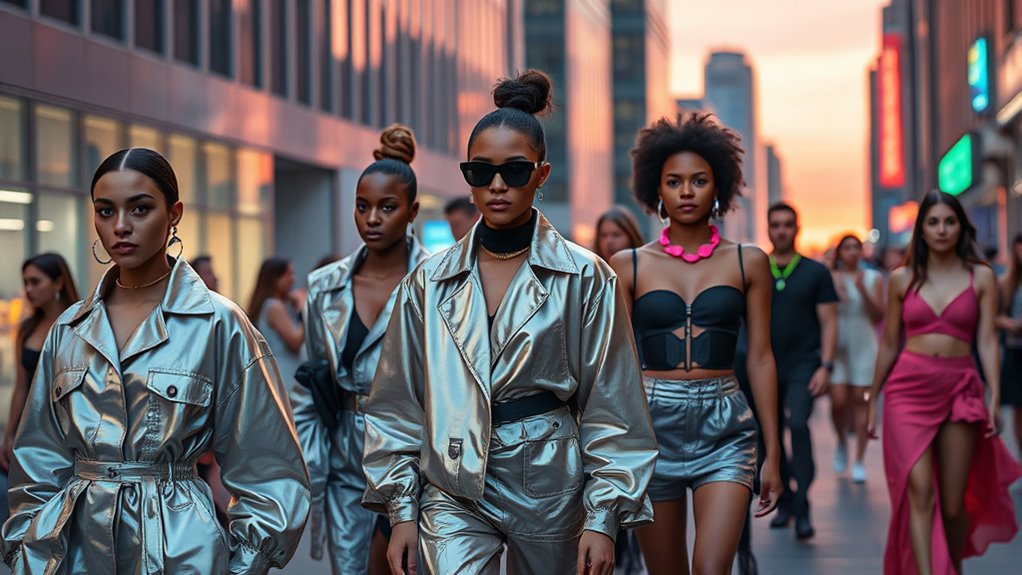
As we look ahead to 2026, fashion continues to evolve in response to global shifts, blending sustainability with bold self-expression. The upcoming season’s palette, shaped by WGSN and Coloro, reflects a sense of urgency, repair, and reassurance. You’ll notice five standout colors: Celestial Yellow, Retro Blue, Cherry Lacquer, Neon Flare, and a futuristic shade. These hues respond to the climate crisis and technological advances, emphasizing environmental and ethical concerns. The colors are not only inspired by current events but are also chosen for their technical feasibility across various textiles, ensuring they can be integrated into diverse materials without sacrificing vibrancy or durability. The forecast is informed by comprehensive social, cultural, economic, environmental, and technical analyses, ensuring relevance and adaptability in a rapidly changing industry. Additionally, the emphasis on sustainable materials reflects the industry’s shift toward eco-conscious practices, which is supported by innovations in textile technology.
Outerwear in 2026 emphasizes both comfort and statement power. You’ll see plush brown teddy coats gaining prominence, perfect for wrapping yourself in warmth while making a style statement. Oversized fits dominate, creating a cozy, enveloping silhouette that feels both practical and fashionable. Cropped blazers emerge as versatile layering pieces that balance sharp waistlines with casual ease, blurring the lines between formal and streetwear. These outerwear pieces are designed to be both functional and fashion-forward, reflecting a desire for comfort without sacrificing style.
Prints and patterns continue their reign in fall and winter 2025-2026. Polka dots make a strong comeback as timeless classics, while bold graphic prints serve as expressive statements. Floral prints maintain their elegant, enduring appeal, adding a touch of femininity to winter wardrobes. Animal prints remain trendy, injecting wild, exotic flair into everyday looks. You’ll also see a trend toward mixing prints and layering patterns, transforming outfits into sophisticated, artful compositions. This approach allows you to experiment boldly and create personalized, eye-catching ensembles.
Looking ahead to spring-summer 2026, the focus shifts to relaxed, wearable styles that prioritize comfort without sacrificing chicness. You’ll notice fluid silhouettes that balance ease and elegance, with cropped and high-waisted cuts leading the way. Lightweight fabrics dominate, offering breathability and freedom of movement for warmer months. Versatility becomes a key factor, enabling you to adapt pieces for a range of settings, from casual outings to more refined occasions.
Sustainability remains a core priority, with designers increasingly using environmentally conscious materials and ethical sourcing. Upcycled and recycled fabrics are prevalent, and transparency in supply chains becomes a standout feature. The industry is actively responding to the climate crisis, integrating eco-friendly design practices. Textures and fabrics forecast for 2026 highlight plush textiles like faux fur and teddy materials, alongside technical fabrics that offer durability and performance. Natural fibers are emphasized for their sustainability credentials, often contrasted with soft and structured fabrics to create dynamic, innovative designs. Accessories follow suit, with bold statement pieces like hats and tactile, textured bags complementing simplified silhouettes. Color blocking in accessories aligns with the seasonal palette, enhancing outfits with a touch of visual interest. Overall, 2026 fashion promises a seamless blend of sustainability, innovation, and bold self-expression, inviting you to embrace versatility and conscious style.

ELLEVEN Womens Winter Faux Fur Coats Hoodie Long Fleece Sherpa Warm Teddy Coat Jacket Outfits Khaki Medium
【Fabric Feature】Our Women's Winter Coats is made from high-quality fuzzy fabric, featuring a soft and fluffy texture that…
As an affiliate, we earn on qualifying purchases.
As an affiliate, we earn on qualifying purchases.
Frequently Asked Questions
How Will Technology Influence Fashion in 2026?
You’ll see technology transforming fashion by 2026, making it more personalized and interactive. Digital wardrobes and AR try-ons let you experiment with styles from home, while AI predicts trends and helps create custom designs. Smart fabrics and wearable tech will make your clothes more functional, adapting to your needs. Plus, sustainable innovations like 3D printing and eco-friendly materials will reduce waste, making fashion more eco-conscious and engaging.
What Sustainable Materials Will Dominate the Industry?
You’re probably wondering which sustainable materials will rule the runway—spoiler alert, it’s not the old cotton. Instead, expect Tencel, SUPIMA®, and Piñatex to take center stage, thanks to their eco-friendly credentials. Recycled polyester and bio-based polymers will also shine, supporting circular fashion. These materials are durable, recyclable, and trendy—perfect for a future where your wardrobe gets greener while still looking fabulous.
Will Gender-Neutral Clothing Become Mainstream by 2026?
You’ll see gender-neutral clothing becoming mainstream by 2026, driven by growing consumer demand for inclusivity. As more brands adopt fluid designs and diverse silhouettes, you’ll find options that break traditional gender norms. Regions like Sweden and the UK lead this shift, influencing global markets. This trend fits with your values of self-expression and sustainability, making gender-neutral apparel a lasting part of the fashion landscape you’ll increasingly encounter.
How Will Fashion Accessibility Evolve Globally?
You’ll see fashion accessibility improve globally as brands expand adaptive clothing lines and adopt innovative tech like AI, AR, and sensor-embedded fabrics. You’ll find more inclusive designs that cater to diverse needs, making shopping easier and more personalized. Larger companies will partner with disability advocates, boosting visibility and style appeal. Despite challenges, ongoing investments and technological advances will make accessible fashion more widespread, affordable, and integrated into everyday life by 2026.
What Cultural Influences Will Shape Future Trends?
You’ll find that cultural influences will shape future trends as deeply as a river carving a canyon. Traditional craftsmanship, multicultural motifs, and historical aesthetics blend seamlessly, creating hybrid styles that celebrate diversity. You’ll see gender-fluid designs, ‘New Antique’ details, and vibrant colors like “Blue Aura,” emphasizing authenticity and cultural storytelling. This evolution champions inclusivity, sustainability, and personal expression, making fashion a powerful language that unites global identities and bridges generations.

Luvamia Womens Fashion Lapel Cropped Blazer – Business Casual Open Front Blazer Jacket for Women – Black – Size 12 / 14
luvamia womans blazer feature double breasted, full lining, shoulder pads, notched lapel, cropped length. The cropped black blazer…
As an affiliate, we earn on qualifying purchases.
As an affiliate, we earn on qualifying purchases.
Conclusion
As you step into 2026, are you ready to embrace the bold, innovative styles that define the future of fashion? The trends predicted for 2025 invite you to experiment, express your individuality, and stay ahead of the curve. Fashion isn’t just about clothing—it’s about making a statement. So, will you choose to follow the trends or set your own, shaping the style landscape of tomorrow? The power to define your look is in your hands.
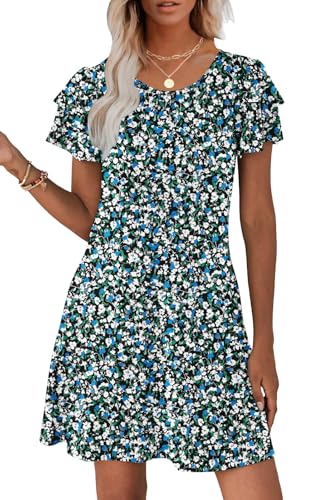
Hount Floral Print Dresses for Women Wedding Summer Casual Short Dress with Pockets Blue Flower S
Material: The fabric is made of the 65% Polyester, 30% Rayon, 5% Spandex.It's Soft and comfortable
As an affiliate, we earn on qualifying purchases.
As an affiliate, we earn on qualifying purchases.

Women's High Waist Dress Pants, Medium, Fuchsia
Premium Materials: These high waist dress pants are expertly constructed with a blend of 95% Polyester and 5%…
As an affiliate, we earn on qualifying purchases.
As an affiliate, we earn on qualifying purchases.