In 2025, many celebrities who faced backlash through cancel culture have managed to rebound, reflecting a shift toward accountability and forgiveness. You’ll see that public figures now often get a second chance if they show genuine remorse and work to make amends. The culture is leaning more toward nuanced responses, with redemption stories gaining momentum. Stay with us if you’re curious about the inspiring comebacks and how societal views continue to evolve.
Key Takeaways
- Celebrities increasingly receive opportunities for redemption after being canceled, emphasizing dialogue and genuine accountability.
- Restorative justice practices promote forgiveness through public apologies and efforts to make amends.
- PR strategies focus on damage control, aiding quick recovery and reemergence in the public eye.
- The influence of cancel culture is waning, leading to more nuanced and context-dependent responses.
- Social media platforms are relaxing moderation rules, supporting reintegration of previously canceled celebrities.
Is cancel culture still shaping public life in 2025? It’s a question many are asking as awareness continues to grow and the landscape shifts. Over the past few years, more Americans—61% now compared to 44% in 2020—know what cancel culture is. Interestingly, awareness has surged most among older adults, especially those 65 and older, jumping from 33% to 53%. Younger folks and college grads still lead in familiarity, but the gap is closing, indicating the concept’s wider reach. Political views influence perceptions heavily: 65% of Democrats see canceling as holding people accountable, while 62% of Republicans view it as unwarranted punishment. Meanwhile, nearly 40% of Americans admit to self-censoring out of fear of backlash, showing how cancel culture still casts a chill over free speech. The increased awareness across demographics demonstrates the growing influence of cancel culture in shaping societal conversations. Despite these numbers, the influence of cancel culture is waning. Many now see it as overused or unfair, especially with growing fatigue from constant outrage. People are tired of seeing minor mistakes blow up into full-blown scandals, leading to pushback against “call-out” practices. Anti-cancel movements and free speech advocates have gained momentum, advocating for more balanced responses. Social media platforms, which once fueled swift and harsh cancellations, are relaxing moderation rules and reinstating banned accounts. This shift helps diminish the power of cancellation, making it less of a permanent tool and more of a context-dependent phenomenon. Public figures are now given more room to recover; PR strategies focus on quick damage control, allowing many to bounce back faster than ever. Canceling no longer feels like a life sentence but more like a temporary setback, with opportunities for redemption.
Restorative justice is gaining ground as a more constructive approach. Instead of instant ostracism, dialogue and accountability take center stage. Several celebrities who had been canceled in the past have reemerged after showing genuine efforts to make amends. The cultural conversation emphasizes growth, societal acceptance, and meaningful change. This shift challenges the fairness of indefinite canceling, favoring case-by-case evaluations and forgiveness. Celebrity cancellations are becoming less frequent and less impactful. Loyal fan bases rally to support their favorites, helping them withstand or recover from controversies. Digital communities focused on free speech often resist mainstream cancel culture pressures, making outrage cycles shorter and less viral than before.
This evolving environment affects public discourse profoundly. Nearly 40% of Americans now self-censor more than they used to, fearing backlash. This chilling effect limits honest conversations and encourages cautious speech. Overall, cancel culture in 2025 is less about permanent exile and more about nuanced responses, redemption, and balancing accountability with growth. It’s a landscape that continues to adapt, reflecting broader societal shifts toward fairness, forgiveness, and free expression.
public apology and redemption guide
As an affiliate, we earn on qualifying purchases.
As an affiliate, we earn on qualifying purchases.
Frequently Asked Questions
How Do Celebrities Rebuild Trust After Cancelation?
You can rebuild trust by offering genuine, heartfelt apologies that clearly show remorse and accountability. Demonstrate your growth through consistent actions, like participating in meaningful causes and sharing your lessons learned. Engage openly with your audience on trusted platforms, be transparent about your journey, and avoid further controversies. Over time, your sustained commitment and authentic storytelling will prove your sincerity, helping to restore your reputation and rebuild genuine connections.
What Role Does Social Media Play in Cancel Culture?
Social media acts like a double-edged sword, slicing through reputations with lightning speed while also offering a platform for redemption. You’re caught in its relentless storm, where a single post can ignite a wildfire of outrage or spark hope for change. It amplifies voices—sometimes drowning out fairness—and accelerates judgments without pause. Yet, it also provides a space for accountability, forcing public figures to confront their past and seek renewal.
Are There Legal Consequences for Canceled Celebrities?
You wonder if canceled celebrities face legal consequences. While public backlash can damage careers, legal penalties aren’t always involved. Sometimes, celebrities face lawsuits for defamation or breach of contract if their cancelation involves disputed facts. Brands may cancel endorsements, but that’s civil, not criminal. However, if criminal behavior like fraud or harassment is proven, legal action can lead to fines, jail, or other serious penalties.
How Does Cancel Culture Differ Across Countries?
Think of cancel culture as a chameleon, changing colors across borders. In Germany, it’s tied to fears of censorship and identity politics, while in the UK, it’s a response to Brexit turmoil. Russia and Turkey focus on social media, and in wealthier nations, it links to justice issues. You’ll find that legal protections and societal values shape how cancel culture plays out, making it a tapestry of regional differences.
Can Redemption Influence Future Career Opportunities?
Redemption can definitely influence your future career opportunities. When you publicly acknowledge mistakes, apologize, and show genuine growth, you’re more likely to rebuild trust with the audience and industry professionals. Successful projects afterward reinforce your credibility and demonstrate your commitment to change. However, societal biases and the nature of your scandal may limit your chances, and public perception can remain skeptical despite your efforts.
celebrity damage control PR kit
As an affiliate, we earn on qualifying purchases.
As an affiliate, we earn on qualifying purchases.
Conclusion
Just like Icarus, you might soar high only to fall when pride blinds you. But remember, even in the face of backlash, redemption is possible—like a phoenix rising from ashes. In this era of cancel culture, your past mistakes don’t have to define your future. Embrace growth, learn from errors, and prove that even the most tarnished can shine again. Stay resilient, because everyone deserves a shot at redemption—just as the stars find their way back to the sky.
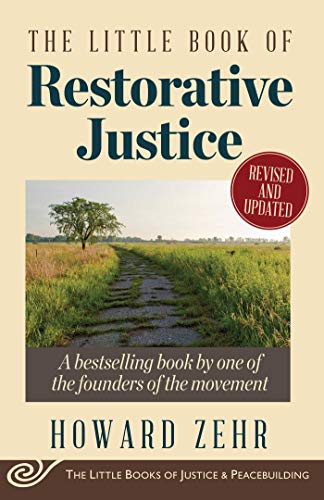
Little Book of Restorative Justice: Revised and Updated (Justice and Peacebuilding)
As an affiliate, we earn on qualifying purchases.
As an affiliate, we earn on qualifying purchases.

Guide To Online Reputation Management: Manage And Protect Your Brand’s Reputation With Social Media: Managing Reviews
As an affiliate, we earn on qualifying purchases.
As an affiliate, we earn on qualifying purchases.